

The Strength Behind Every Connection: Inside NFI’s Forged Flange Manufacturing Process
Release Time:
Oct 11,2025
Discover how NFI Steel manufactures high-quality forged flanges for global industries. Learn about materials, production, inspection, and customer applications.
The Strength Behind Every Connection: Inside NFI’s Forged Flange Manufacturing Process
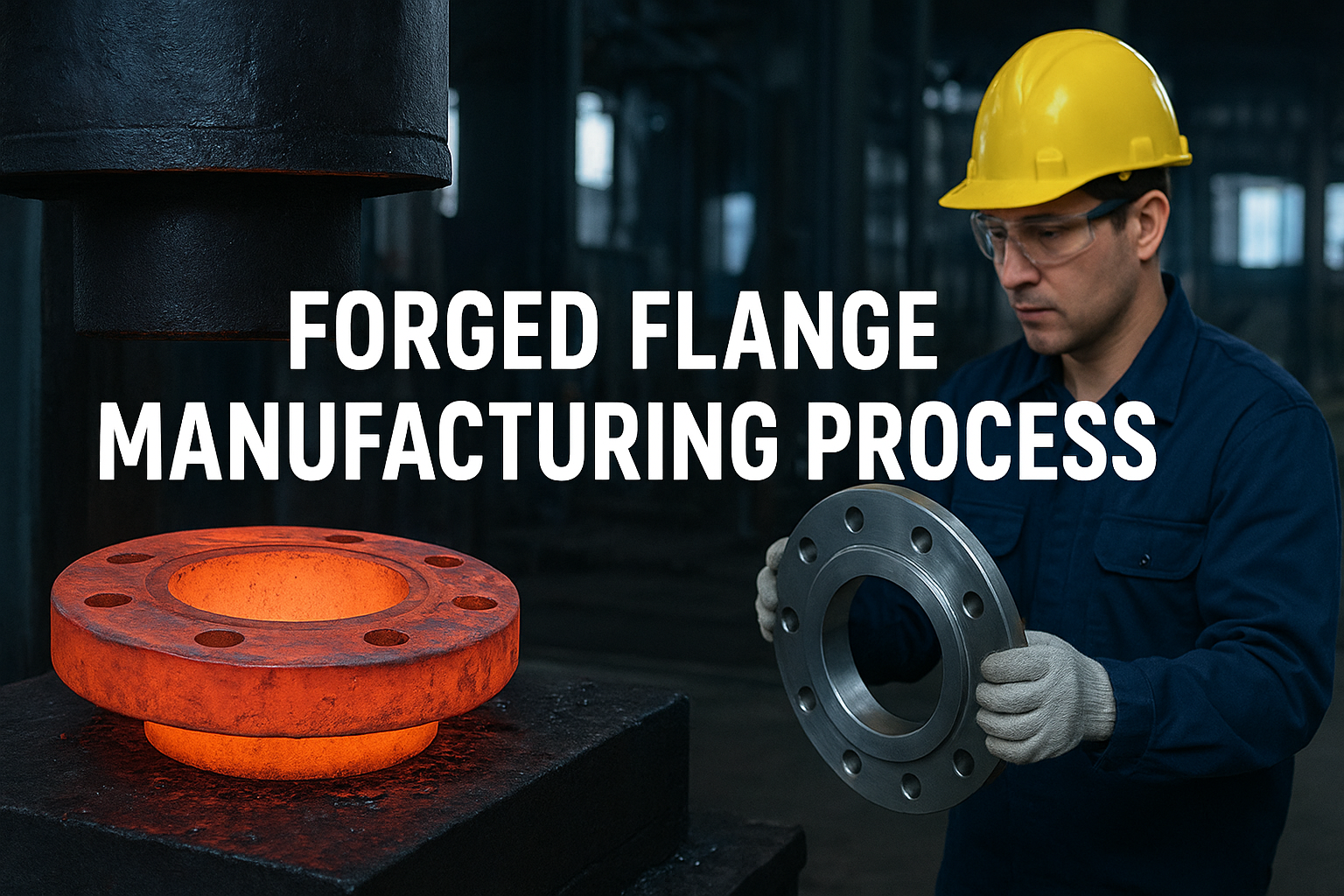
In industrial pipeline systems, forged flanges play a silent yet vital role — ensuring every joint, every connection, and every flow remains secure. At NFI Steel, our forged flange production reflects not only precision and technology, but also our commitment to long-term reliability in the global oil, gas, and energy industries.
1. From Raw Steel to Forged Perfection
Every forged flange starts with the selection of high-grade raw materials, such as carbon steel, stainless steel, or alloy steel. After preheating, the metal is shaped under controlled pressure — a process that refines its grain structure, enhances mechanical strength, and eliminates potential defects that are common in cast flanges.
👉 Learn more about our Forged Flange Product Series and available material grades.
2. Precision Machining and Dimensional Control
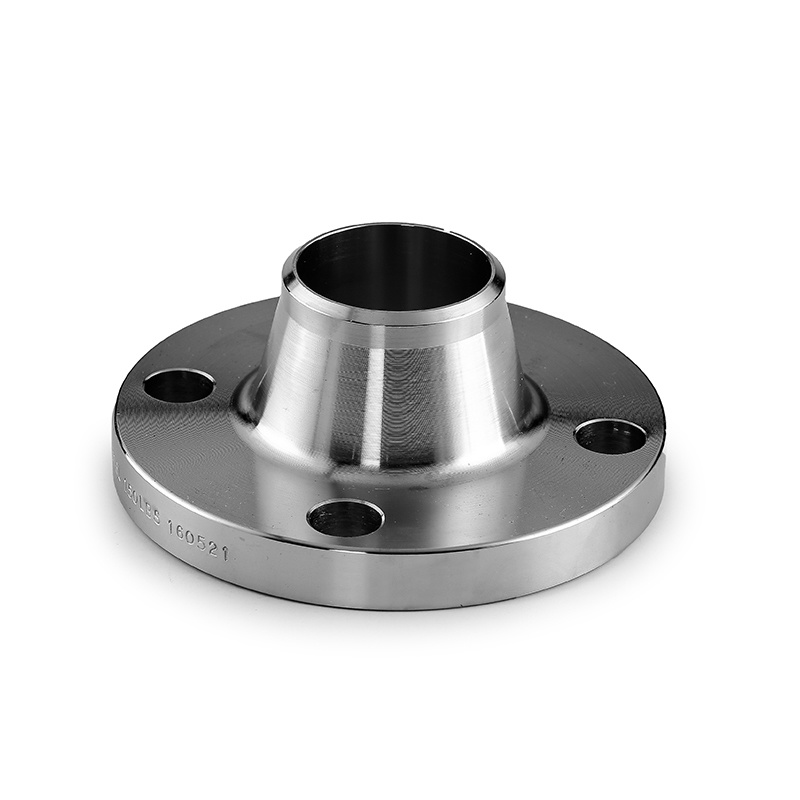
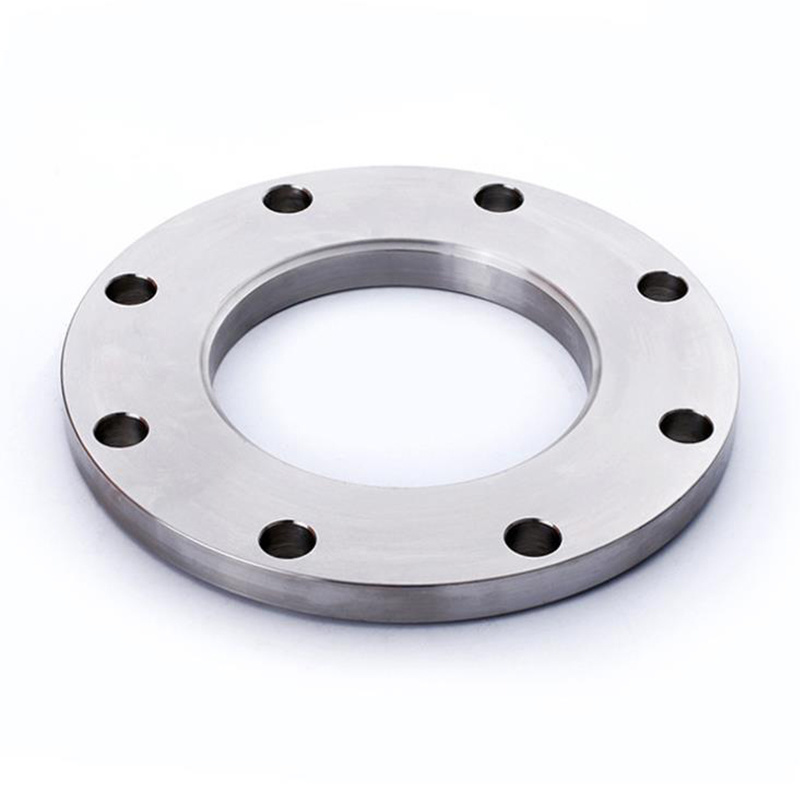
Once forged, each flange undergoes CNC machining to achieve exact dimensional accuracy. Our engineers ensure compliance with ASME B16.5, EN1092, and DIN standards. Whether it’s a weld neck, slip-on, or blind flange, every piece is produced to meet tight tolerances — ensuring a perfect fit during installation.
To maintain consistency, our in-house quality team measures flatness, bolt hole alignment, and thickness tolerance before moving to surface finishing.
3. Quality Inspection and Testing
At NFI, quality inspection is not a final step — it’s part of every stage. Our forged flange inspection process includes:
Ultrasonic Testing (UT) for internal defects
Radiographic Testing (RT) for weld integrity
PMI (Positive Material Identification) for chemical composition
Hardness and Pressure Testing for mechanical performance
Each flange comes with a Mill Test Certificate (MTC) to ensure full traceability and international compliance.
👉 Explore our detailed guide on Flange Inspection & Quality Standards for more insights.
4. Global Applications: From Korea to Europe
Our forged flanges are widely used in shipbuilding, petrochemical plants, offshore energy, and municipal pipelines. Recently, an order from a Korean shipyard highlighted NFI’s expertise — the customer required customized forged slip-on flanges with tight tolerance for a marine pipeline project.
After heat treatment, machining, and final inspection, the products were packed and shipped on schedule. Within two weeks, the client reported excellent installation results and zero leakage, reinforcing NFI’s reputation for precision and trust.
👉 Read more about how we serve global customers in our Industry Application Section.
5. Why Choose NFI Forged Flanges?
Over 15 years of forging experience
Complete production line: forging, machining, inspection, and packaging
Full material traceability and global shipping
Flexible customization for pressure classes and dimensions
Whether for high-temperature oil pipelines or low-temperature cryogenic systems, NFI provides solutions that meet engineering challenges worldwide.
👉 Visit our full product range: Forged Flanges by NFI Steel
6. Delivering Confidence Worldwide
Each forged flange that leaves NFI’s factory carries more than a logo — it carries a promise. A promise of safety, consistency, and durability backed by years of engineering experience.
Our mission is simple:
To make every industrial connection stronger, safer, and longer-lasting.
Other News



Subscribe to us for more product information
We will contact you within one working day. Please pay attention to your email.
Contact Info
E-mail: PreciseMetalSJ@163.com
WhatsApp: +86 19819756158
Tel/WeChat: +86 19819756158 / +86 19819756158
Add:
Cangzhou City, Hebei Province, China
Share Us